Healthy Aging & Longevity
by Dr. Shelby Worts, BSc, ND

The Health Habits That Matter as You Get Older.
None of us can stop the clock, but we can influence how we feel, move, and function as the years go by.
For many of us, healthy aging isn’t about trying to look younger. It’s about staying strong enough to travel, active enough to enjoy our hobbies, sharp enough to keep learning, and independent enough to make our own choices. The good news is that many of the habits that help us age well are simple—and they work together.
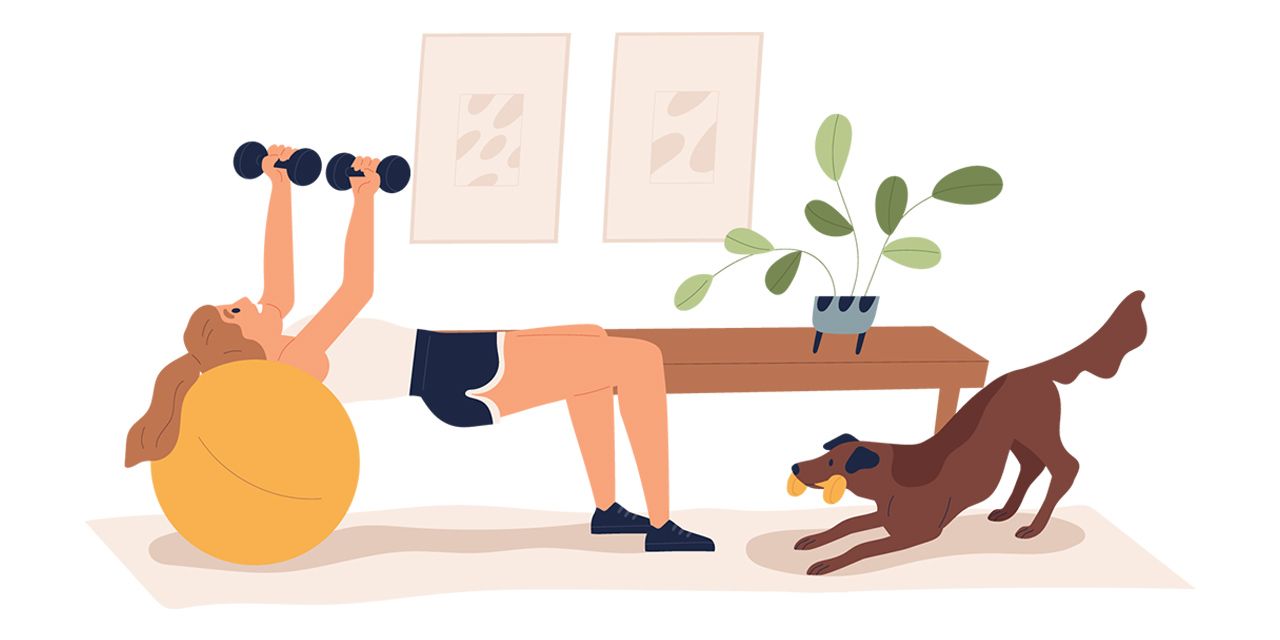
Keep Your Muscles Strong. We naturally begin to lose muscle as we get older, with the process starting gradually in our 30s and becoming more noticeable later in life. But muscle is about much more than strength or appearance.
Strong muscles help us maintain bone density, protect against falls, support healthy blood sugar regulation, and maintain our physical reserve when illness, surgery, or hospitalization occurs. They also help us continue doing the everyday things that give us independence from carrying groceries to getting up from a chair or climbing stairs.
Resistance training is one of the best investments you can make. If you’re new to it, consider working with a qualified trainer to learn proper technique and build confidence. A group class can be another great option providing routine, accountability, and social connection.
Keep Your Brain Engaged. Our brains thrive on being used. Staying socially connected, being physically active, and continuing to learn new things can all support cognitive health as we age.
Try something new. Take a class. Learn an instrument or a foreign language. Volunteer. Meet a friend for a walk. The important thing is to keep moving, connecting, and challenging yourself.
And don’t forget blood sugar. Maintaining healthy blood sugar regulation is critical for both metabolic and brain health.
Know Your Metabolic Health. Metabolic health is essentially how well your body manages blood sugar, cholesterol, blood pressure, body composition, and energy balance. Problems can develop quietly, which is why knowing your numbers is valuable.
Depending on your age and health history, objective data to monitor may include blood pressure, fasting glucose and insulin, cholesterol panel, kidney function, and waist circumference.
The Everyday Habits That Make a Difference. Move every day. Whenever possible, make it social. Eat enough protein for your individual needs, based on factors such as body weight, activity, and health goals. Choose foods that support healthy blood sugar regulation. Prioritize sleep and stay on top of your regular health assessments and blood work.
And if you are wondering whether hormone therapy might be appropriate for you, have that conversation with your healthcare provider.
Ultimately, healthy aging is about protecting the person you want to be 10, 20, or 30 years from now.
Consider speaking with your naturopathic doctor about appropriate blood testing and creating a personalized plan that supports your strength, cognitive function, metabolic health— and, most importantly, your ability to live life on your own terms. E
This article is for general informational purposes only and should not be interpreted as medical advice, diagnosis or treatment. Please discuss your individual symptoms, lab testing options and treatment decisions with a qualified healthcare practitioner.