The Re-Wilding
By Cara Williams | Photography by Jason Booth | Historical images unknown
Talisman closed by accident. Now it’s disappearing on purpose— acre by acre, back into the forest it was cut from.
Some places don’t let go of you. Talisman never has—not after the lifts stopped turning, not after the lodge sat empty for a decade, and not now, as crews prepare to take down what’s left and hand the land back to the forest.
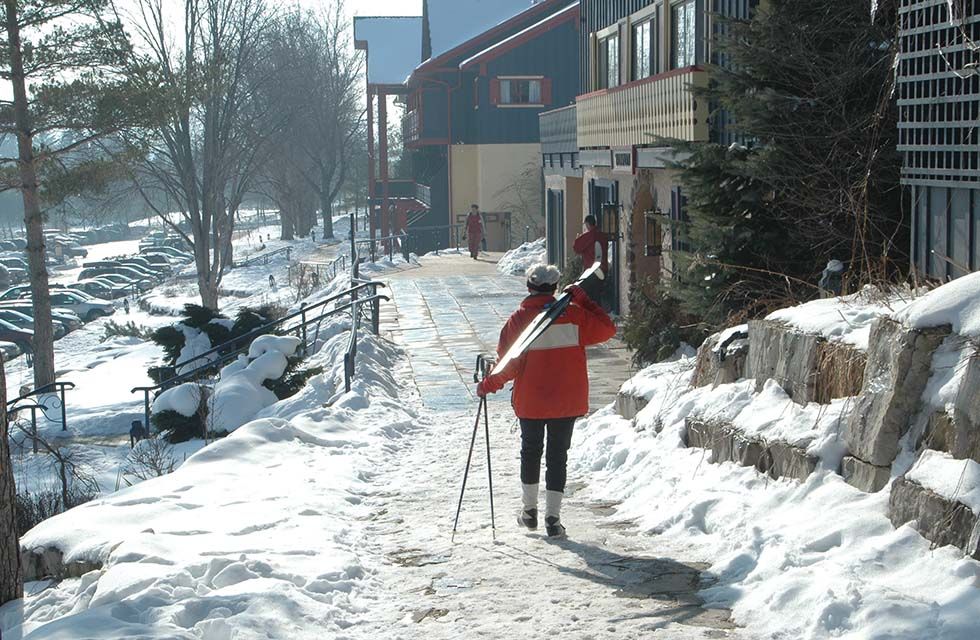
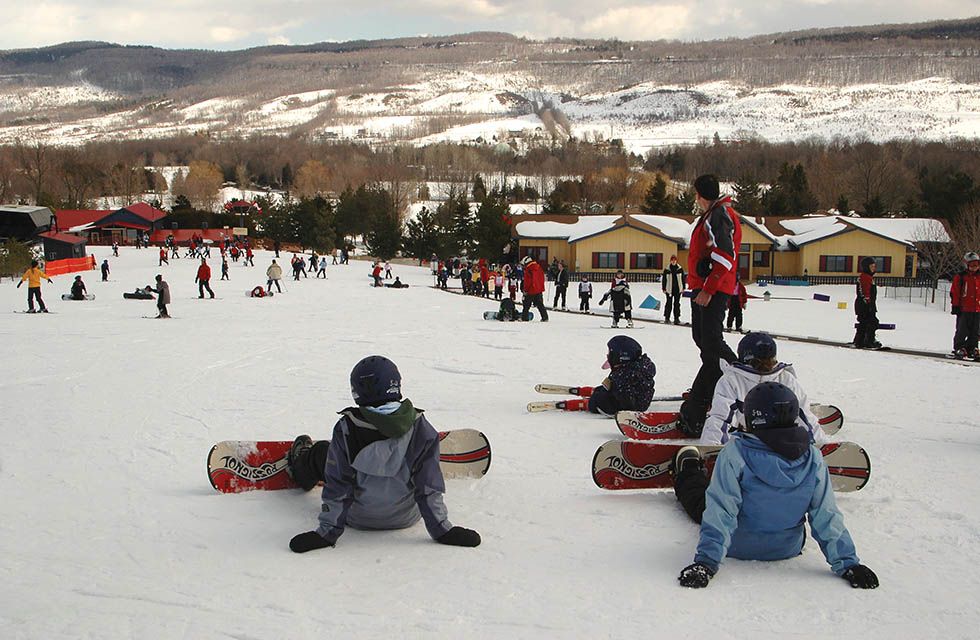
I first visited Talisman as a kid. I already knew how to ski by then, spending my weekends at Georgian Peaks, but skiing at Talisman was different. We went there on school trips, when a day on the slopes began with a bus full of overexcited kids, many of them city friends trying skiing for the first time. It was close enough to feel familiar, but a day there still felt like an adventure. You left school behind. You rode a chairlift up the side of the Beaver Valley. And, for a few hours, we were all skiers.
It’s strange what the mind keeps—I remember being at Talisman on January 28, 1986, the day the space shuttle Challenger exploded. I couldn’t tell you what runs we skied that day or what the conditions were like, but I remember exactly where I was, and exactly how I felt: chaos out in the world, but safe in the ski lodge.
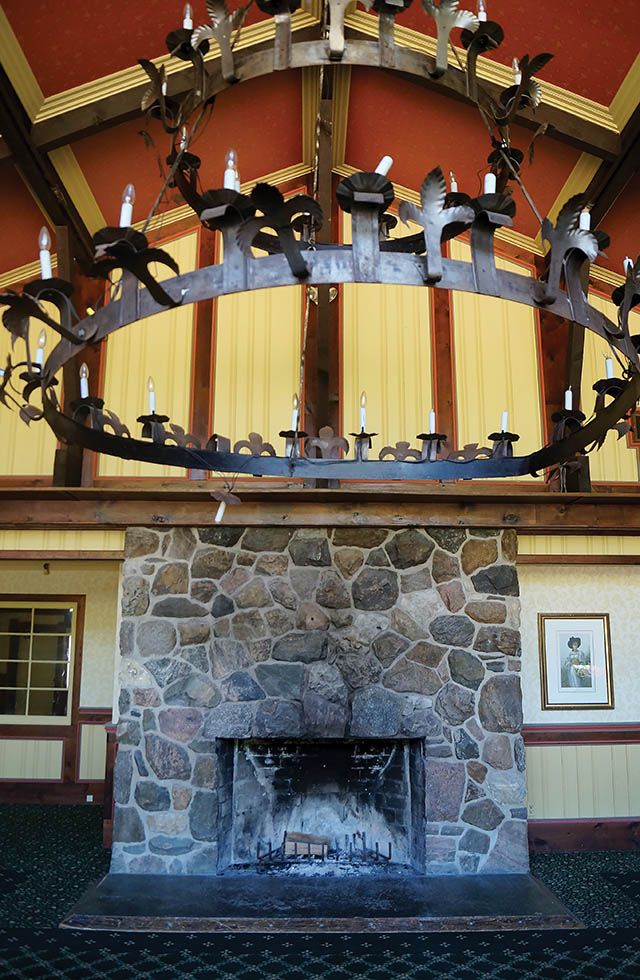
Years later, when I was living in Whistler, I came home for a visit and returned to Talisman. By then, my idea of a ski resort had been thoroughly recalibrated. Whistler was bigger, steeper and more polished by every measure, but Talisman still had a hold on me. I remember walking into the lodge’s great room and thinking, “This would be a wonderful place to get married.” It felt like the kind of place where people should gather—warm, a little rustic, surrounded by hills and trees, and already filled with memories. I could picture everyone I loved gathered there, looking out over the valley.
That is the strange thing about the places we know as children—we don’t always realize how much of ourselves they contain until we return as adults. A building is never just a building. A ski hill is never only a collection of runs and lifts. The places where we felt brave and independent, and where life still felt safe, become part of our personal geography.
Talisman Resort was part of Ontario’s geography, too. The resort opened on Christmas Eve in 1963, founded by Bruce Pritchard and Alex Graydon in the Beaver Valley near Kimberley. At the time, it was an ambitious projec —a modest lodge and a handful of ski lifts—that would grow, over the decades, into what was then Ontario’s largest ski development, eventually welcoming guests to more than 100 rooms at its peak.
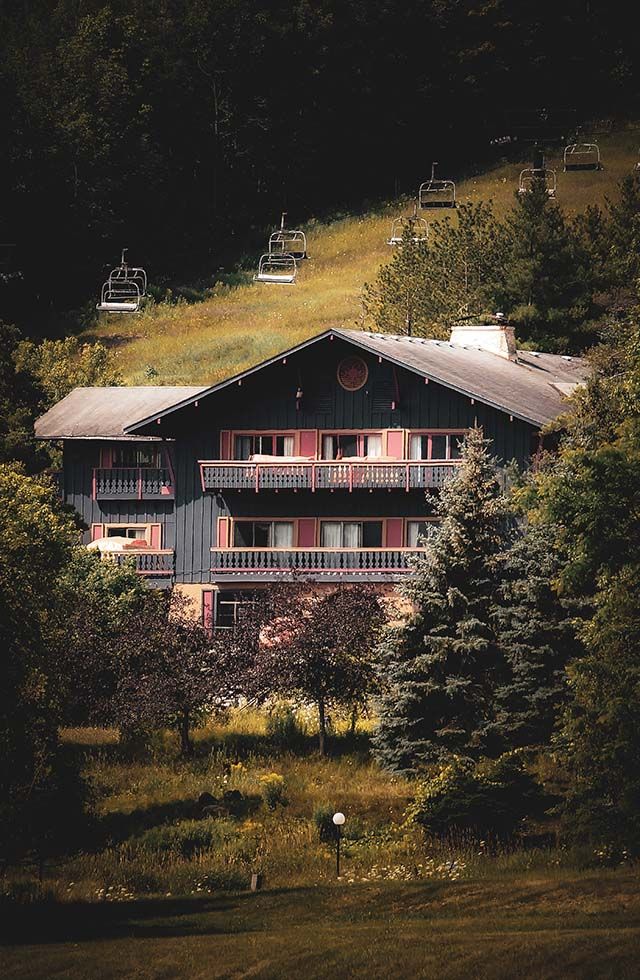
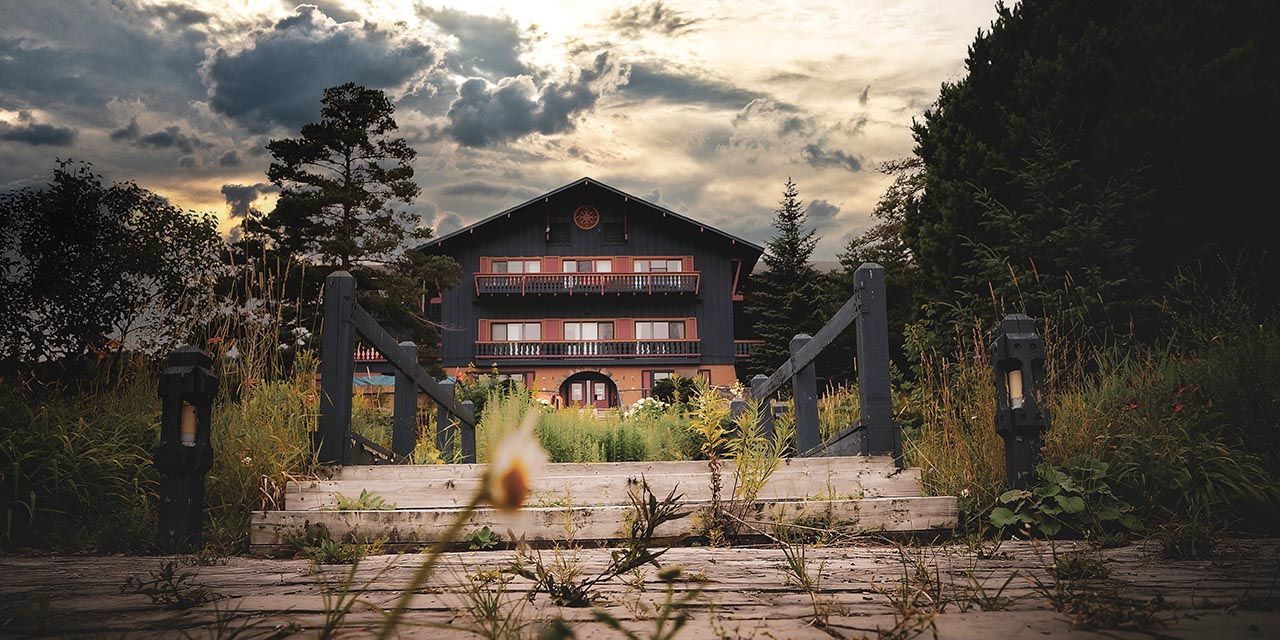
Over the years, Talisman added a golf course, tennis courts and the Bavarian-inspired Mountainside Lodge. It became a four season resort, but winter was always at its heart. Families came. School buses came. Later, snowboarders came—welcomed at Talisman when some other ski areas were still reluctant to let them on the lifts.
For several generations, the resort was woven into life in this part of Ontario. It was where people learned to ski, met friends, worked their first jobs and spent winter weekends. It was public and approachable, a place you didn’t have to belong to in order to feel that it belonged, in some small way, to you.
But ski resorts are complicated operations, especially in southern Ontario. Talisman changed hands, struggled
financially and faced growing competition, along with winters that became increasingly unreliable. In 2011, after a 48-year run, Talisman shut down for good.
Then it sat.
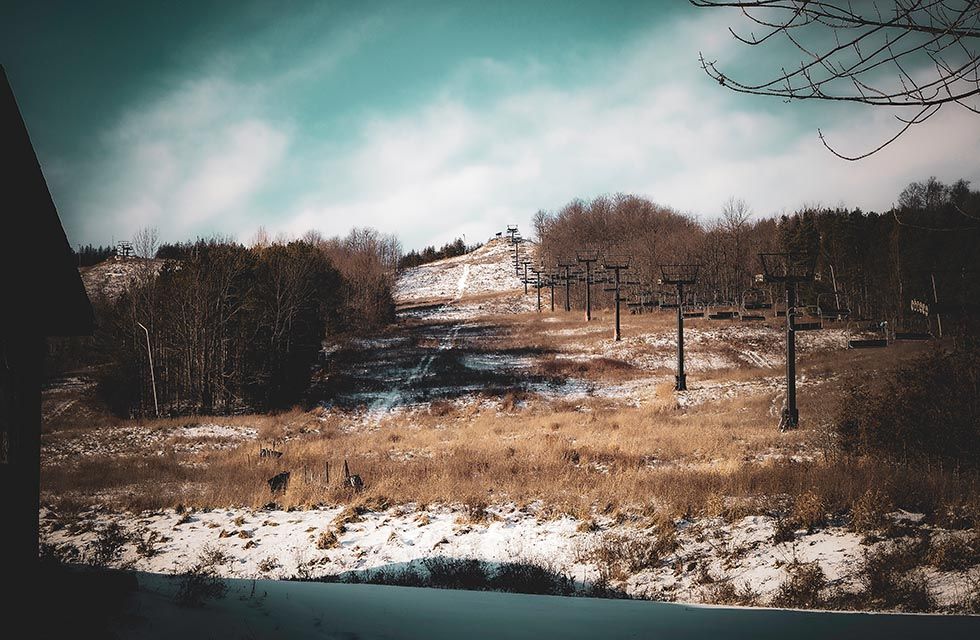
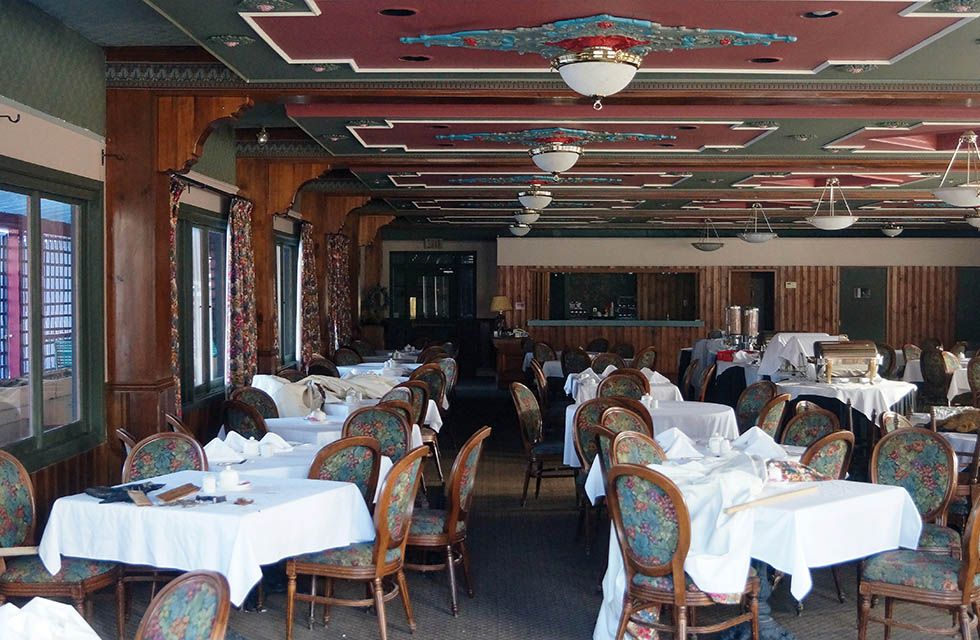
For more than a decade, the resort remained suspended in an eerie kind of afterlife. Empty chairs hung over the slopes. Inside the buildings, furniture, kitchen equipment, wine glasses and rental skis were left behind. Nature began moving in as the buildings deteriorated. Flooding caused further damage. Attempts at redevelopment came and went.
Photographs of the abandoned resort are unsettling because so much remains recognizable. It doesn’t look like ancient history—it looks like everyone had gone home one evening and simply never returned.
Now, Talisman is about to change again. The Bruce Trail Conservancy has acquired 134 acres encompassing the
former slopes and resort buildings, securing the land as the Talisman Forest Nature Reserve. The deteriorating lodges, ski lifts and other infrastructure will be removed, disturbed areas restored, and native trees and understorey plants reintroduced. Gradually, 84 acres of former ski slopes will become forest.
In other words, Talisman is being rewilded. That can sound as though the only thing required is for people to step away. Here, it will be much more deliberate. Wildlife already using the property—including barn swallows and grassland birds—has to be considered as the work proceeds. Materials must be safely removed or, where possible, reused.
Which brings us to the surprisingly practical business of clearing out a hotel. The Conservancy has been finding new homes for Talisman’s furnishings, working with local charities, neighbouring ski hills and community organizations to put hundreds of pieces of furniture back into use. Some will support programming and improvements at the Bluewater Education Foundation’s outdoor education centre. There is something fitting about that: pieces of a resort remembered for school ski trips helping another generation spend time outdoors.
Then there is what lies beneath the buildings. A buried stream runs under the former resort, and removing the structures will allow the Conservancy’s ecologists and volunteers to explore whether it can be brought back to the surface. The process is called “daylighting,” and it could create an opportunity for wetland habitat. Rewilding here could mean uncovering parts of the landscape that have been out of sight for decades.
The former ski runs also form one of the largest breaks in the forest canopy along a 10-kilometre stretch of the Beaver Valley’s western slope. Restoring that canopy will connect habitat, protect springs and waterways, store carbon and create more room for birds, pollinators and species at risk. The acquisition also secures 885 metres of the Bruce Trail, keeping this section of the Escarpment publicly accessible.
None of this will happen overnight. Many of us remember when these slopes were busy with skiers. We may watch the lift towers come down and young trees take their place. Decades from now, someone following the Bruce Trail may look across those same slopes and see forest, without realizing they were once ski runs.
My first reaction to the news was sadness. Demolition has a finality to it. Once the lodge is gone, I will never walk back into the room where I briefly imagined my wedding. The Talisman of my childhood—the school trips, chairlift rides and crowded lodge—will exist only in photographs and in the memories of the people who were there.
But perhaps rewilding is not the same thing as erasure. The Escarpment was always larger and older than the resort. Water continued to run through the property. Sugar maples held on at its edges. Birds nested in the abandoned buildings. Even while Talisman was sitting empty, the land beneath it was alive.
And people will still come here. They will come on foot instead of skis, following the Bruce Trail through the valley. Children will have another way to encounter this landscape, test their legs and discover a little courage.
Talisman was one of the places that taught me to love winter and to feel at home outdoors. Its next chapter may offer that same gift in a different form. I like the thought of returning someday and hearing a stream where I once heard the clatter of ski boots.
The Bruce Trail Conservancy is raising $7.5 million to help secure, restore and care for the property. To learn more, watch the Talisman Forever documentary or contribute to the campaign, visit talisman.brucetrail.org. E