Art in Residence
By Marc Huminilowycz | Photography by Clay Dolan
On eighty acres above the Beaver Valley, artist Ray Mantella has created a modern retreat where architecture, landscape, and creativity converge.
In every issue, Escarpment Magazine showcases the distinctive custom homes that make Southern Georgian Bay a place of exceptional design and natural allure. Their homes are an expression of who they are—their values, their likes, and the environments they choose to surround themselves with, whether as a monument to their achievements, the realisation of a dream home, or a legacy to pass on to family for generations to come.
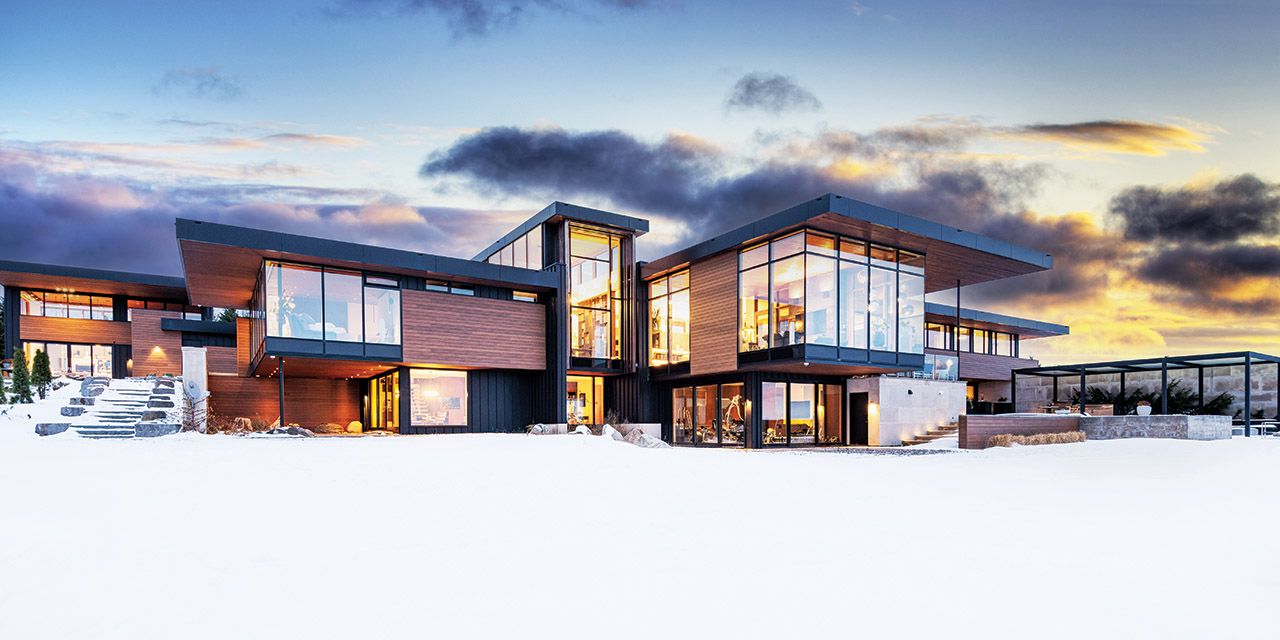
At the end of a long, curvy driveway near Loree Forest stands a large modern structure on eighty acres of land overlooking forests and crop fields in the Beaver Valley, with spectacular sunsets and glimpses of the crystal waters of Georgian Bay. The 8,000-squarefoot home was built by Toronto artist Ray Mantella, whose family building business, founded fifty years ago, is one of the largest privately-owned development companies in Canada today.
Ray, the grandson of the company’s founder, worked in the family business for a while, but soon realised that he was being drawn to a different calling. “The work was very commercial-industrial, and I decided to pursue my design/artistic essence,” he said. “I grew up in the city but spent many of my early years on my parents’ farm near Kleinburg, Ontario, where I fell in love with the bucolic lifestyle, including the horses and other animals. When the property was sold, I craved that lifestyle and started looking for a place of my own outside the city.”
“I looked at properties in The Blue Mountains but couldn’t find a house I liked,” Ray added. “Then, on a frigid winter day, my agent showed me this property. I loved the views and decided that this is where I want to live.” Ray had a basic vision of what his new home should look like—“Frank Lloyd Wright-inspired; modern, but not too modern, with large windows overlooking the countryside.” Construction of the home began in 2015 and was completed two years later. Since then, Ray has been dividing his time between Toronto and his rural sanctuary.
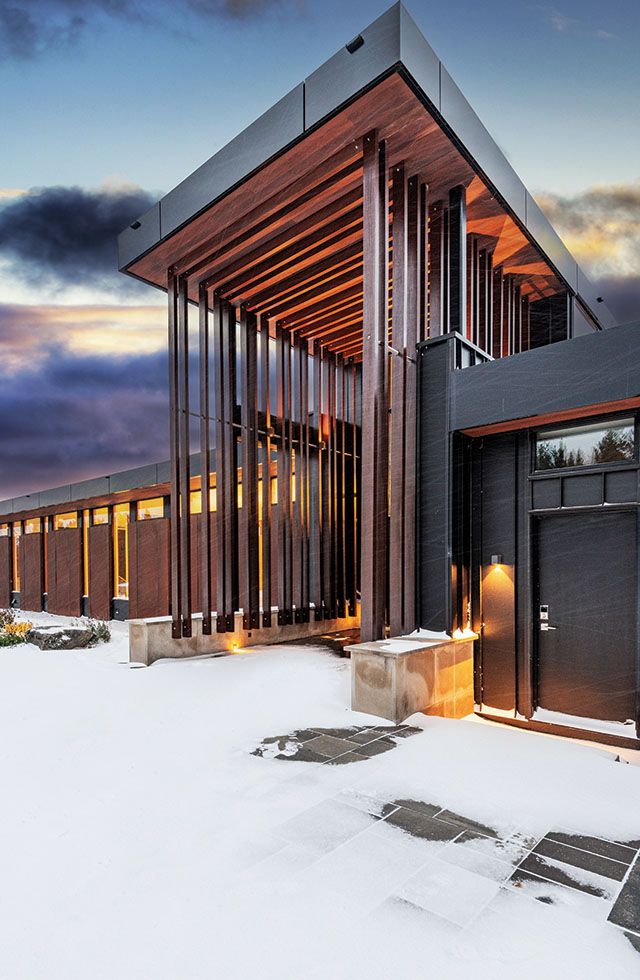
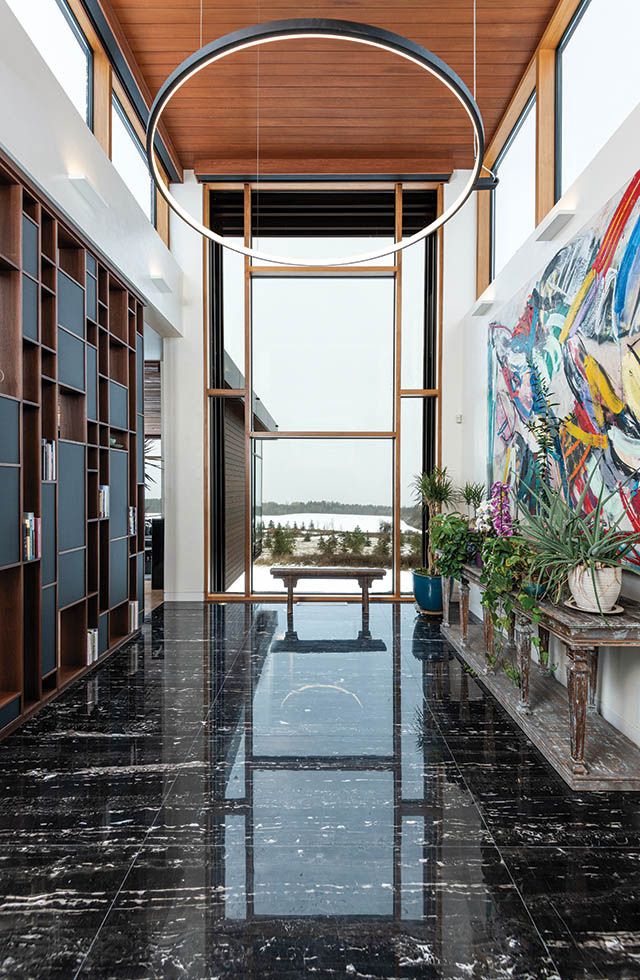
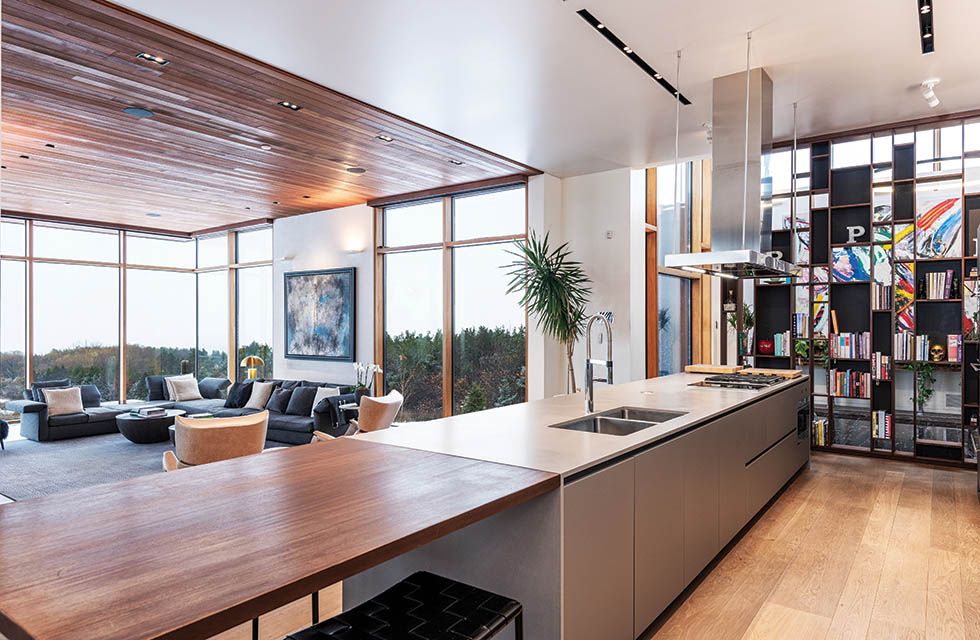
Entering the home, there is an immediate sensation of calm, beauty, light, and aesthetic appeal within a cavernous space softened by natural oak floors, walnut millwork, cedar accents, and large windows framing the spectacular natural scenery of the Beaver Valley and beyond.
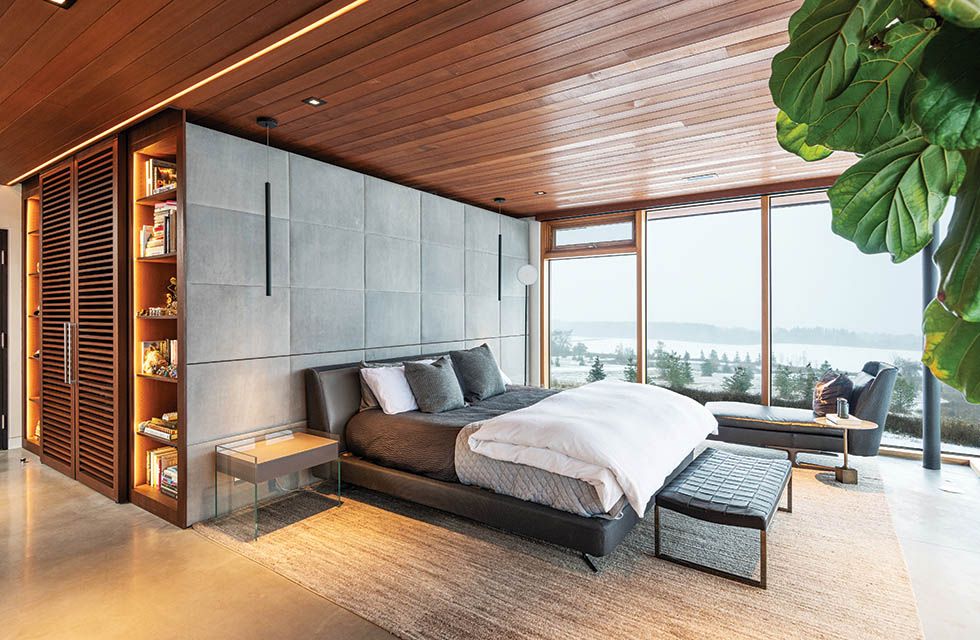
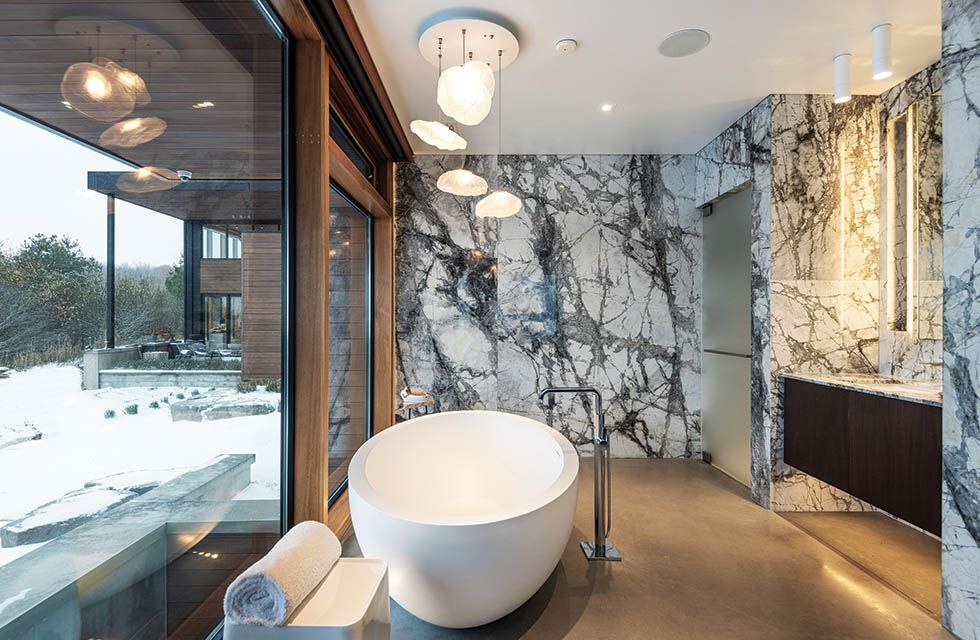
One wing of the home is Ray’s primary suite, beginning with a master walk-in closet whose cedar-lined ceiling carries seamlessly into the bedroom, where a custom leather-crafted headboard wall sets a warm focal point. West and north-facing windows immerse the room in nature and unforgettable sunsets. Custom sliding doors offer both architectural elegance and privacy, while interconnecting stairs—wrapped in millwork and accented by an integrated aquarium—link the bedroom and ensuite to a private lower-level office. “This is my space for work, rest, and retreat,” said Ray.
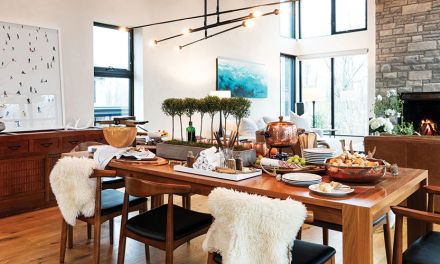
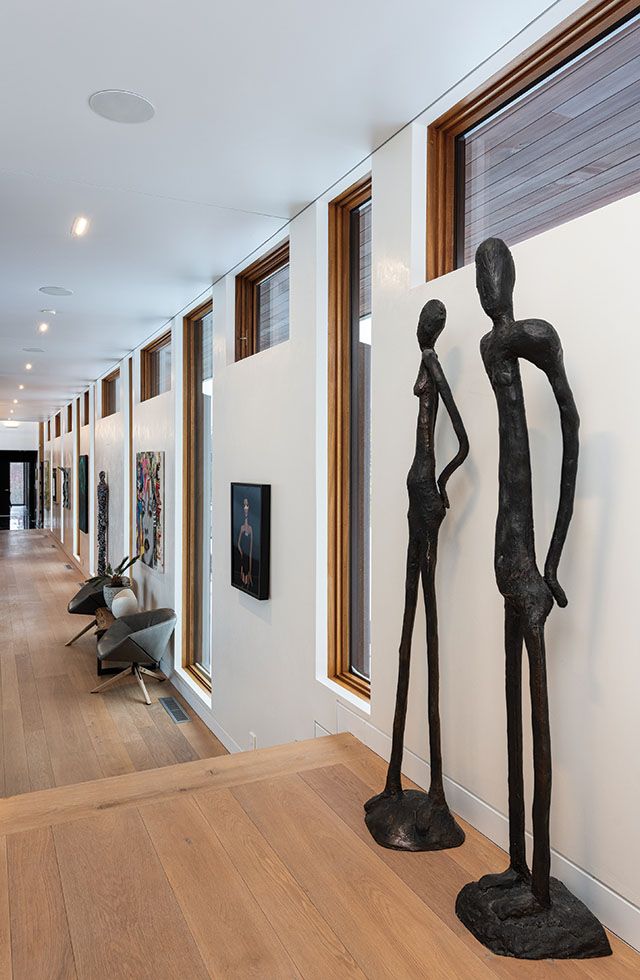
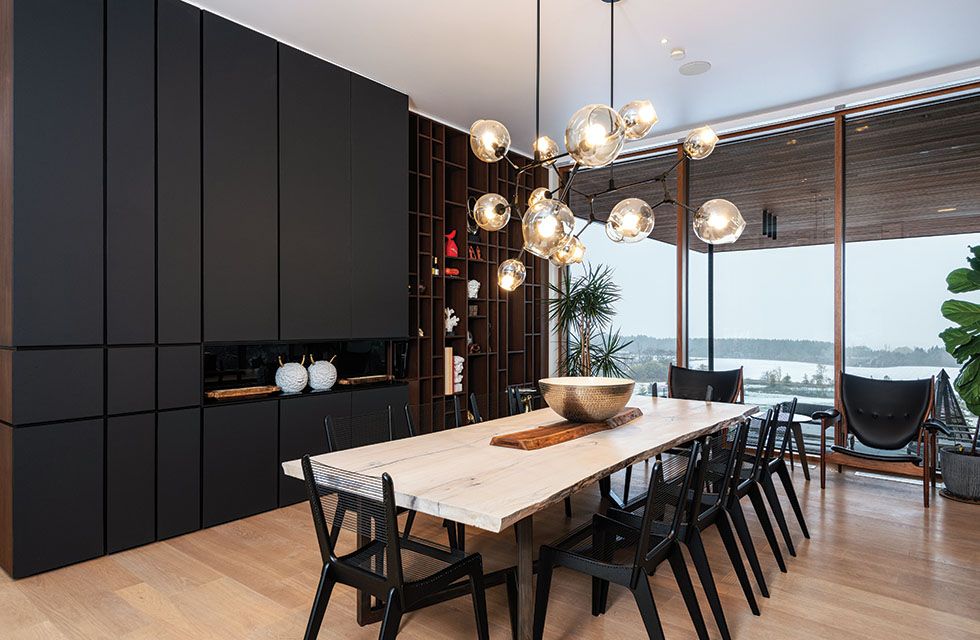
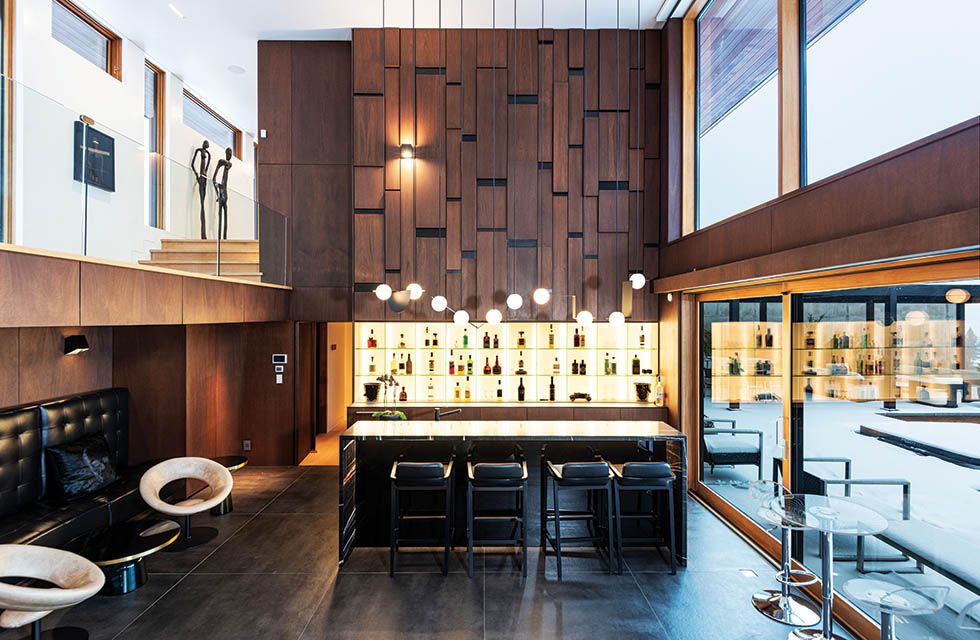
The central heart of the home is the Italian Varenna Poliform kitchen, alongside a dining room featuring a beautiful live-edge wood table crafted by local artisan Jess Wilkins of Naked Design, a screen and integrated fireplace, a cozy living area, and a dramatic two-storey bar with striking floating stairs that complement the walnut millwork—all framed by floor-to-ceiling windows overlooking the Beaver Valley. Opposite this space is a long hallway with east-facing, ceiling-height windows that resembles a gallery. Bathed in morning light, this is where Ray displays many of his best art pieces: sculpture, paintings, and ceramic wall art.
On the lower level of the home is a fully equipped gym and a unique movie room that features a comfortable curved sectional couch, giant screen, and a coffee table that houses a rare piece of Hollywood history. “It’s an original film reel from Gone With the Wind,” said Ray. Measuring roughly four feet in diameter and covered in glass, the metal reel actually contains the epic 1939 film, which ran for three hours and fifty-eight minutes, including overture, intermission, musical interlude, and exit music. “I bought it years ago and stored it for a while,” says Ray. “I’m happy that I’ve found a home for it here.”
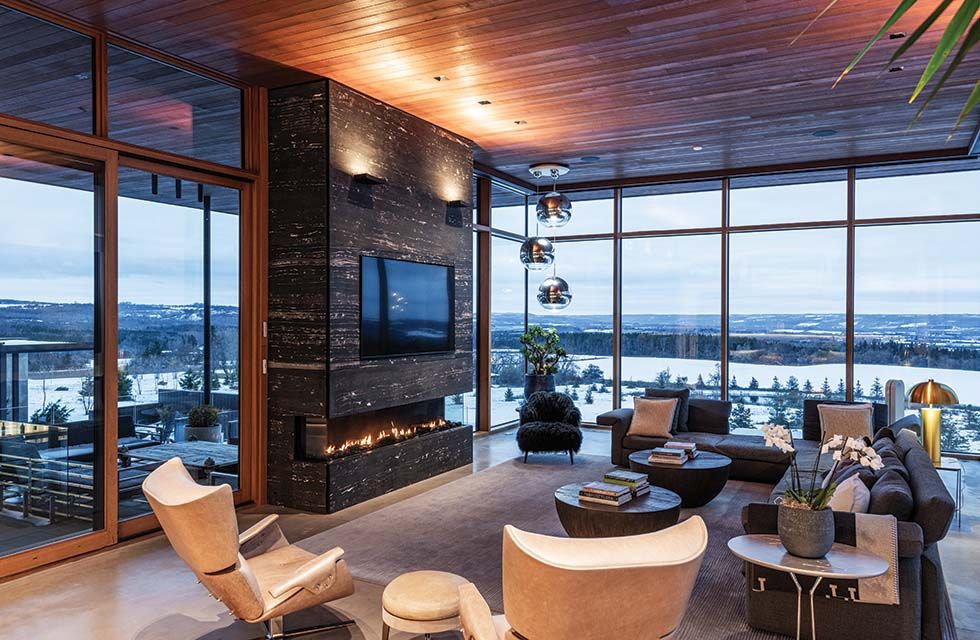
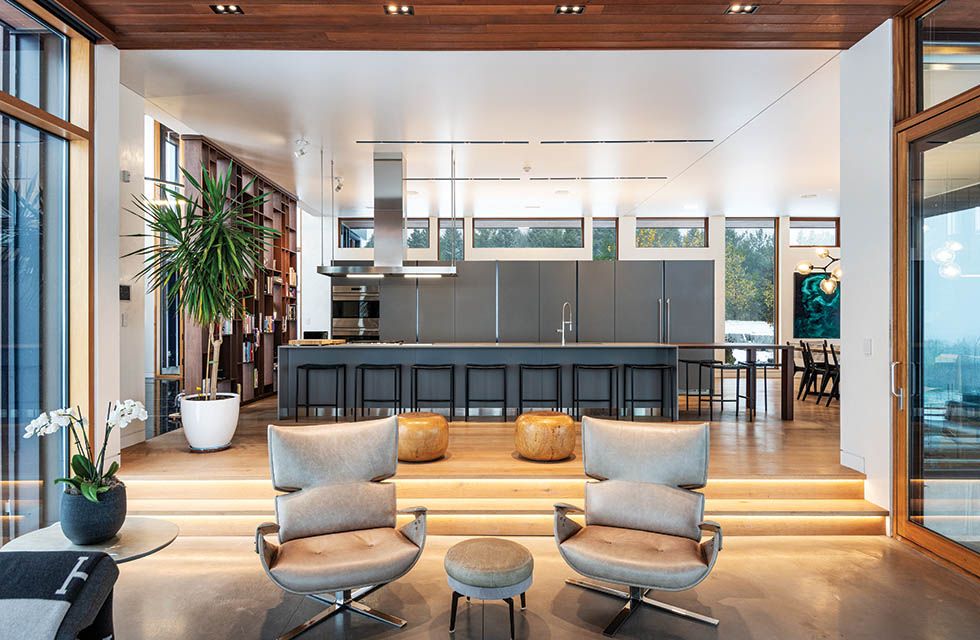
…there is an immediate sensation of calm, beauty, light, and aesthetic appeal within a cavernous space…
Another unique item on display in a guest bedroom in Ray’s home is an original framed photo of Marilyn Monroe—one in a series of photos of the Hollywood icon taken just weeks before her passing by influential American photographer Bert Stern. “Many years ago, Marilyn went through some of Stern’s negatives and put Xs on the ones she rejected,” Ray explains. “After she died, he released these photos. This is one of them.”
Throughout the home, Ray has incorporated an eclectic mix of decorative, repurposed, vintage, and architectural salvage pieces collected over the years. “I like mixing old and new,” he said. “I’m always drawn to unusual antiques and things with character.”
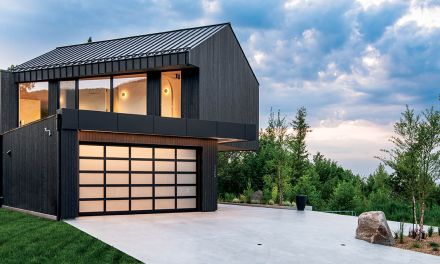
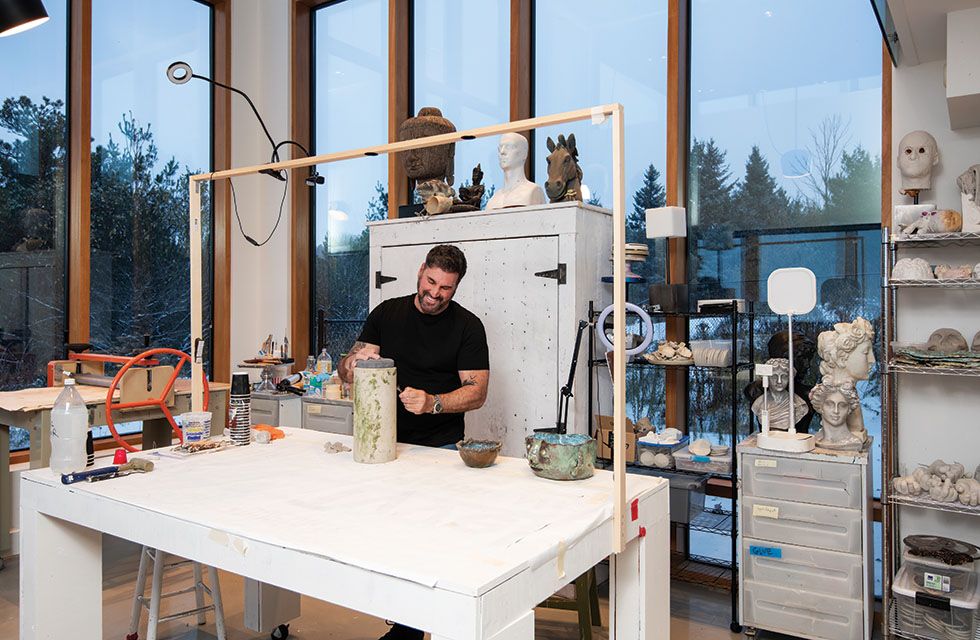
In addition to collectible items, Ray’s art is on display in just about every room of the house. It all begins in his studio, located in a separate building with a small bedroom and bathroom, shared with a garage adjacent to the home. “This is where my art happens,” he said, showing this writer several works in clay in various stages before being fired in his kiln. “I like to do weird stuff like this one,” he added, pointing to a bust with a head that resembles a wasp nest. “I’ve worked on many ceramics, but I’m now experimenting with clay. You can’t just start liking and working with an art form that people have been doing for years and years. It’s been a two-year learning process for me. I’m experimenting and learning as I create things that I love—things that are like out of my mind or in a dream. You just kind of have to do it and not overthink the process.”
“The end result is satisfying, but I’m always wondering if my clay sculpture will survive the kiln,” Ray adds. “It’s very exciting, like getting a Christmas present. You don’t know what you’ll find inside until you open it.” Ray has shown his works in Toronto galleries in the past. Currently posting and selling his art on Instagram and creating a new website, he plans to do more gallery showings in the near future.
True to his artistic and eclectic personality, Ray decided on unique treatments for many of the walls and ceilings of his home. Instead of conventional drywall, he hired AvStyle in Concord, Ontario, a contractor that specialises in “stretch ceilings.” “The crew came in here and secured thin perimeter frames, then ten workers stretched out this thin, flexible material and shrunk it with large heating guns to create a perfectly smooth matte white ceiling that looks like glass. Amazing. They’ve done this technique in the homes of people like Drake.”
The stretch-ceiling material is Renolit, a high-quality, durable, flexible, and stable PVC membrane from Germany. Available in a variety of colours and textures, it is easily integrated with lighting, backlighting effects, and 3D shapes if desired. “You could have lights in behind this material, like a disco, if you wanted to,” said Ray. “It’s a bit more expensive than drywall, but when you factor in the labour, the mess, and the time involved in drywalling, it makes a lot of sense and looks fabulous. One drywall ceiling can take days to finish. Stretch ceiling can be put up in hours.”
Many of the walls in the home feature another unique technique—polished plaster. The finish, applied to drywall, is a decorative wall covering made from a mixture of lime putty, marble dust, and pigments, applied in thin layers to create a smooth, marble-like appearance. It is a durable, classic finish. “It’s an old technique, likely with roots in Italy,” Ray explains. “You apply it with a trowel then burnish it to a high gloss to create very subtle textures and shapes.”
This is my space for work, rest, and retreat.
Throughout the project, Ray worked closely with two renowned Toronto designers: Samantha Sannella of Urban Retreat Homes and Dorota Jackowski. “I basically told them what I like and they made it happen,” said Ray. Jackowski led the design from concept through development, technical drawings, construction coordination, and final completion—often wearing multiple hats, from design lead to drafter to millwork detailer.
“Designing Ray’s home was an extraordinary experience for me,” said Jackowski. “From the outset, Ray expressed that he wanted a Yabu Pushelberg–level home oasis—a highly crafted, deeply intentional, emotionally resonant space. As a former Yabu Pushelberg designer, I understood the level of refinement, detail, and narrative-driven design he was seeking, crafting every element of his home with that same heart, rigour, and intention. Every moment, inside and out, was shaped with sensitivity and emotional resonance. I listened closely to his vision, and I’m grateful for the trust he placed in my creative direction and ability to execute it.”
Samantha Sannella managed the construction and budgeting and did some of the architectural design, landscaping, and interior design. “Working with Ray was easy, as he has a unique personality and reflecting his aesthetic in the design was inspiring,” she said. “My main role was overseeing all of the trades and consultants on the project—and helping them to make better decisions.”
At the end of another day, when the sun sets over the panoramic Beaver Valley and the outside of Ray Mantella’s property is bathed in shadow and silhouette, the interiors of his magnificent home—embellished with art like jewellery—settle in with warmth and a creative soul. E